Regional Laws and Treaties
This section provides regional and international climate agreements relevant to Kenya, including treaties, conventions, and protocols that shape national obligations, reporting requirements, and cooperation on climate action.
Showing 38 documents
UNFCCC (With Annexes)
UNFCCC (Text)
UN Convention on the Rights of Persons with Disabilities (UNCRPD)
Nagoya Protocol
Glasgow Climate Pact (COP26)
Convention on Migratory Species (Bonn Convention)
United Nations Convention on the Law of the Sea (UNCLOS)
UN Fish Stocks Agreement
Treaty for the Establishment of the East African Community
Stockholm Convention on Persistent Organic Pollutants (POPs)
Sendai Framework for Disaster Risk Reduction 2015–2030
Rotterdam Convention on Prior Informed Consent (PIC)
Nagoya Protocol on Access and Benefit-Sharing
Minamata Convention on Mercury
Kigali Amendment to the Montreal Protocol
International Treaty on Plant Genetic Resources for Food and Agriculture
International Health Regulations (IHR 2005) – Second edition
International Convention for the Prevention of Pollution from Ships (MARPOL)
Global Methane Pledge
Glasgow Climate Pact
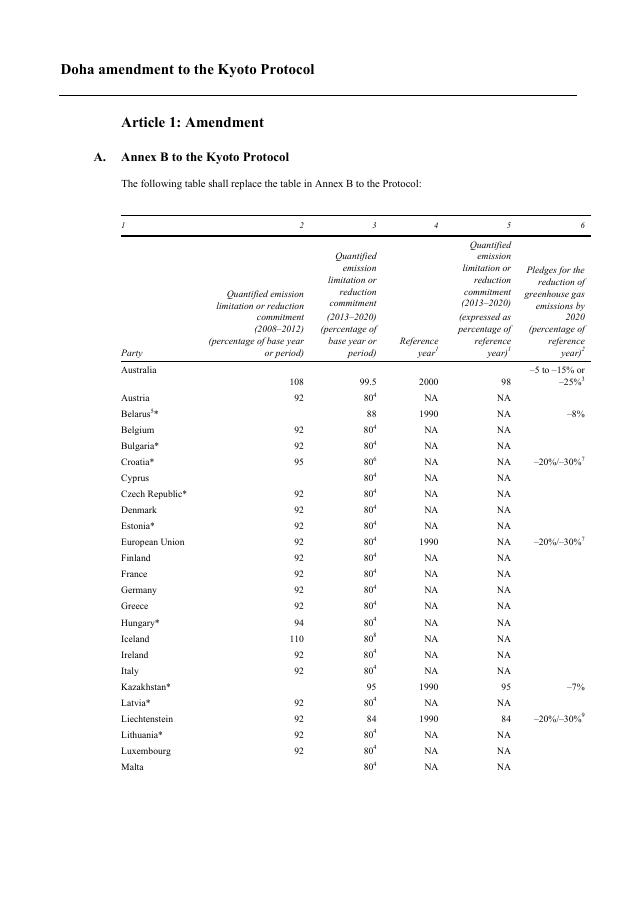
Doha Amendment to the Kyoto Protocol
Convention on the Conservation of Migratory Species of Wild Animals
Convention on International Trade in Endangered Species of Wild Fauna and Flora (CITES)
Cartagena Protocol on Biosafety
Basel Convention on the Control of Transboundary Movements of Hazardous Wastes
An introduction to Ramsar Convention on Wetlands
African Union Agenda 2063 (Environment and Climate Commitments)
African Convention on the Conservation of Nature and Natural Resources (Revised Maputo Convention)
2030 Agenda for Sustainable Development (SDGs)
Geneva Conventions Act
Incorporates international humanitarian principles into Kenyan law. While primarily about conflict, it sets standards for protecting vulnerable populations, increasingly relevant in resource-driven Climate Security contexts.
United Nations Framework Convention on Climate Change (UNFCCC)
The foundational international treaty on climate change. It establishes the global framework for intergovernmental efforts to tackle the challenge posed by climate change.
Paris Agreement
A legally binding international treaty on climate change. Its goal is to limit global warming to well below 2, preferably to 1.5 degrees Celsius.
Kyoto Protocol
An international agreement linked to the UNFCCC, which commits its Parties by setting internationally binding emission reduction targets.
United Nations Convention to Combat Desertification (UNCCD)
The sole legally binding international agreement linking environment and development to sustainable land management.
Vienna Convention for the Protection of the Ozone Layer
A framework for international efforts to protect the ozone layer. Along with the Montreal Protocol, it has been instrumental in phasing out ozone-depleting substances.
Convention on Biological Diversity (CBD)
A multilateral treaty dedicated to the conservation of biological diversity, the sustainable use of its components, and the fair and equitable sharing of benefits.
World Heritage Convention (UNESCO)
Created to identify and protect the world's natural and cultural heritage considered to be of outstanding universal value.
UN Convention on the Rights of Persons with Disabilities (Environmental Protocol)
Promotes, protects and ensures the full and equal enjoyment of all human rights by persons with disabilities, including in climate contexts.